


Lens Filter Benefits

Lens filters still serve many different purposes in this digital age and are widely used in photography. They can offer protection, reduce reflection, alter light and enhance colors. In this article, we'll talk about the filters we tend to use the most.
What Are Lens Filters
Lens filters are transparent or translucent glass, plastic, resin, polyester and polycarbonate material that attaches to the front of a lens. They come in circular, square and rectangular types. Circular (screw-in) filters connect directly to the front of the lens, square and rectangular (drop-in) filters utilize an adapter that attaches to the lens.
Lens Filter Types
- UV/Clear/Haze Filter
In the past, these filters were used to block UV light from hitting the film or camera sensor. But, with the advancement of digital photography, all DSLR cameras presently have built-in UV filters. Now, the primary purpose of the UV filter is to protect the front element of a lens from dust and scratches. Be sure to purchase a good quality UV Filter as lower quality versions could reduce image quality, increase reflections and flares in your images.
- Circular Polarizing (CPL) Filter
The primary purposes of the CPL filter are to reduce reflections, enhance colors, increase contrast and reduce haze. This filter is especially good if you want to darken the sky or lessen the intensity of reflective surfaces like water or windows. The effect and intensity of this filter changes dependent upon one's angle to the sun. Also, there is usually a loss of 1-2 stops of light when using this filter so be mindful of your camera settings when using this.
Neutral Density (ND) Filter
ND filters reduce the amount of light entering the camera lens thus allowing you to decrease shutter speed and increase exposure time. These filters are useful when you want to shoot with a wider aperture on a bright day or shoot with a slower shutter speed with moving water to create that "foggy" effect. They also allow you to shoot with wider apertures in studio photography. ND filters also come in hard
These three options are popular amongst our photography community but they are not the only options available. Other filter types include Hard-Edge Graduated Neutral Density (GND) Filter, Soft-Edge Graduated Neutral Density (GND) Filter, Reverse Graduated Neutral Density (GND) Filter, Color/Warming/Cooling Filter, and Special Effects Filter. These all have their intended purposes and we encourage you to research them. Happy shooting!

THREE Reasons Why You Need a Wacom Tablet.

Here we go ladies and gentlemen, the great debate! I've had the privilege of meeting so many amazing photographers coming through the doors of Blok and I constantly leave with tons of great conversations, but one particular conversation seems to happen more often than none... *Shakespeare voice* To tablet or not to tablet, THAT is the question! All jokes aside though, this is a very important part of your workflow that you should consider if you haven't already done so.
I've met photographers who prefer to retouch with a mouse and others who SWEAR by the tablet. I had a friend of mine say verbatim, "If the tablet didn't exist, I wouldn't be a photographer". His seriousness in which he stated this information made me do my homework because at the time I'd only been shooting for a couple months and my idea of retouching was simply moving sliders (We all have to start somewhere #amirite) left and right.
Two years later and hours upon hours of retouching, my verdict here is simple -- Wacom tablets are an essential part of retouching and should be owned by anyone who is serious about their work. We all know photography can be expensive at times, from camera bodies, lenses, lighting, and overall accessories it takes to complete the task at hand. However, this item is on the more cost-effective side of photography. Today, I'd like to give you three reasons why you need a Wacom tablet!
1.) Precision.
Using a mouse can be very difficult if you're looking to make precise changes to an image because it's sensitive to the slightest move causing you to potentially make an error. Working with a mouse can be very tedious because of the flatness of your wrist and you'll need to drag along to make quick changes to your image. Using a tablet will streamline the entire editing process because these tablets come with a pen and they are generally much easier to use since they are much comfortable in your hand.
2.) Time Saving.
When using a mouse you'll often need to drag and click commands, which does require time when retouching your photo. The Wacom pen will eliminate the dragging process each time and many of the commands can be controlled through the actual pen and tablet itself. Since the Wacom tablet allows you to point at any point of the screen very fast, you can retouch comfortably and faster as well.
3.) Your Wrist.
Compared to the mouse, using a tablet is similar to using a pen for writing or drawing. Your hand is more relaxed when you use it. While the mouse is used in one hand position that put some strain on it, and can get your hand cramped if used for a long time.The strain on your hand, and using it for editing can cause you some issues like RSI & tennis elbow. If you must use the mouse, make sure you take regular breaks while editing.
Here's a Wacom tablet we'd recommend! Cheers!
Wacom Intuos Art Pen & Touch Small Tablet.($99)

How To Enhance Portraits Using A Reflector.
In photography, lighting is the single most important tool. As photographers, we constantly chase light and literally cannot survive without it. Both inside and outside of the studio, one of the most important (and often underrated tools) you should have on hand is a reflector. It can be used to diffuse, bounce, or flag natural and artificial light. In this video, Aaron Nace of Phlearn provides tips on the benefits of using reflectors and why this is an especially important tool to have in every photographer's bag.
- Gold Reflector – The gold reflector will bounce a lot of light and give the light a “gold” color. This can be perfect for bouncing light during a sunset, or when you want to add some warmth to a portrait. In our experience, the gold reflector is used less than silver or white.
- Silver Reflector – The silver reflector will bounce a lot of light and keep the light color neutral. This is great when you need more light in a portrait or when your reflector has to be far from your subject. Be careful you don’t blind your subject with light, as the reflection can be quite strong.
- White Reflector – The white reflector will bounce a small amount of light with a neutral color. These reflectors are great because they produce softer light than gold or silver.
- Black Reflector – Black reflectors are used to add “negative fill.” Use the black reflector to reduce the amount of light around your subject. Black reflectors are generally used with portraits on the left and right side of the subject to give them more depth.
- Diffusion – Diffusion panels are meant to diffuse or soften light. Generally, you will shine a light through a diffusion panel and then the light will hit your subject.
These panels will make the light softer and larger, but they will also reduce the amount of light that hits your subject.

Four Things to Consider When Building Your Light Setup

Mood
Light direction, quality, and color help shape the story and create the mood of your images. Having a solid understanding of the concept and mood of your shoot will help you make better decisions on which light modifiers to use. For example, if the concept calls for soft lighting, then you would know to consider a softbox and if it's hard lighting then maybe a beauty dish or reflector would be a better choice for the job.
Ambient Light
The proper balance of ambient and artificial light can make a beautiful portrait. When shooting on-location, it's essential to have a good balance between the two. Camera shutter speed controls ambient light, a slower speed allows for more ambient, and a faster speed deduces it. It primarily depends on the concept and mood you want to portray.
Lighting Style
Wheather you're using strobes to photograph people, products or places, there will always be a lighting style that is more flattering based on the characteristics of the subject. For example, broad lighting can be used to make narrow faces look fuller and short lighting is ideal for slimming the face out. Having a good understanding of the various lighting styles and knowing when to use them is vital to taking quality portraits.
Fill Light
Fill light can be used to brighten up shadows and make an image more interesting. If the shadows are too dark, try adding white foam core or a soft modified light source to the shadow side of the face to brighten them up. A white/silver reflector or soft modified light can also add beautiful catchlights in your subject's eyes, making a more interesting photo.
Join us in our LIGHTING 101 class to learn more about these concepts.
Three Lighting Kits To Consider.
Purchasing a lighting kit can be a daunting task, especially for your first kit ever. Many photographers have to consider the type of work and typical shooting scenarios that the kit would work best for. The overall cost for a lighting kit can be very expensive, but you can definitely find alternatives.
Photographer and director, Joey L gives an in-depth review of three lighting kits that can be used in the studio or on location. The review covers the brands Paul C. Buff, Profoto, and Broncolor. He also goes over the essential items in each kit.
This review is a great starting point for anyone looking to purchase or upgrade a current kit. Our Lighting 101 Class covers this topic in-depth. If you're interested in learning more go sign up!

Studio Lighting Gear Essentials

Learning to use studio strobes or any off-camera flash can be an overwhelming job. Understanding what type of gear is required can be just as confusing. If you're new to shooting with off-camera flash, we always recommend keeping things simple. In this article, we cover the essential tools you'll need to get started!
CAMERA AND LENS
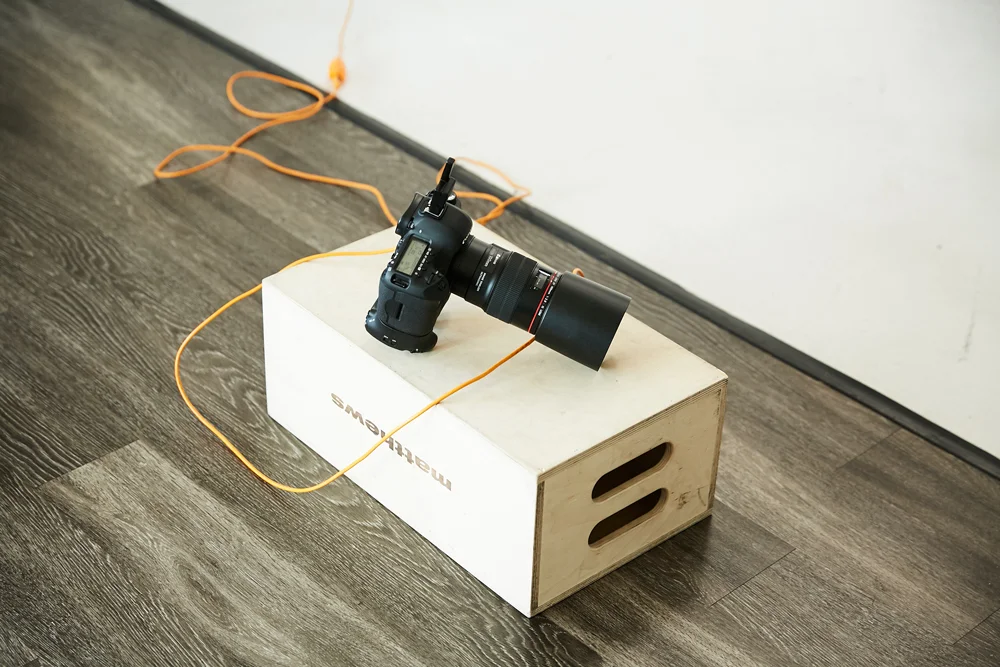
We'll start with the bare minimum tools you'll need which are a camera and lens. Without these items, you won't get far on this journey. There are many different brands available, but the most critical feature your camera will need to have is manual mode. This option allows you to manually control the ISO, Aperture and Shutter Speed of your camera. Manual mode is typically a standard feature for most DSLR and mirrorless cameras. For the lens, we suggest a standard zoom lens as it provides excellent versatility in the studio. Your lens preference will undoubtedly change as your knowledge grows.
LIGHTING AND MODIFIERS
An off-camera light source such as a studio strobe or speed light is required to learn the technical aspects of studio lighting. A speed light is a portable flash that can be fired on the hot shoe of your camera or wirelessly, with the proper triggers. They tend to be less expensive than studio strobes and more portable. Studio strobes are larger and powered by AC power. They have to be plugged into the wall or a battery pack. They tend to be more powerful than speed lights. We use strobes here at Blok Studio, but either type will be sufficient to learn with. A light modifier isn't required but helps shape the light. If you're unfamiliar with light modifiers, you can read our previous post about it here.

LIGHT STANDS
Light stands are one of the most ignored studio elements, but with the proper stand, you will become more efficient when setting up your off-camera flash. Stand types vary from general purpose to c-stand, boom stand, rolling stand, and the list goes on. C-stands provide great flexibility and last a long time because they're built like a tank but aren't the most portable stands. If you're just starting out and on a budget, then a general purpose light stand will work just as well.
TRIGGERS
Wireless and wired are the two methods to trigger your off-camera flash. A transmitter (connects to camera's hot shoe) and receiver (connects to studio strobe or speed light) are both needed to fire your flash wirelessly so regardless of the brand, be sure you have those. If you're triggering your flash with the wired method, then a sync cable specific to your camera brand is required.
Our lighting 101 class covers this topic more in-depth. If you're interested in learning more go sign up!

Capture One 11 Is Now Here!
Here at Blok Studio, we are firm believers in shooting tethered. We wrote an article about the benefits of tethering that you can find HERE. Outside of having the proper hardware to tether, it's equally important to have the software for your raw capture and that's where this Capture One comes into your workflow. There are definitely other options for tethering such as Lightroom, but here at Blok, we use Capture One exclusively. Recently, Phase One did an overhaul on their latest version to really push this powerful software to new heights. The video included gives a great overview of the new features so you can take full advantage of this tool.

Intro to Studio Lighting

One of the main benefits Blok Studio offers is its incredible amount of natural light. That along with the minimal design and ease of use of the studio is typically the primary reasons people choose to create here. Use it as a blank canvas to build upon or keep it minimal and subject focused. When natural light isn't enough, we provide studio lighting to help take your vision further.
Understanding and proper use of studio lighting can bring a great deal of value to you as a photographer and empowers you to create exceptional work no matter the lighting conditions. It can seem like an intimidating skill to learn but starting with one light and mastering the fundamentals of that gives a great foundation to learning more complicated setups. In this post, we provide tips on how to correctly light a subject with just one light.
Light source
Consider the lighting style and mood you want to achieve when determining the light source, as difference modifiers are used to accomplish different looks. Large, diffused light sources like an octa or softbox and umbrella with diffusion panel are excellent for producing soft light. Modifiers such as a beauty dish, silver umbrella or even the bare light head are great for creating hard light. In the example, we use a 5-foot umbrella with a diffusion panel for a nice soft look.

Light Placement
Distance will dictate the characteristics of the light, and the angle will determine where the shadows fall. The closer the light source is to your subject the softer the light, the further the source, the harder the light. Reading about the inverse square law will provide more technical insight into this. Don't be afraid to experiment with different lighting distances and angels. It's a great way to get a better understanding of how light falls on your subject and taking good notes of the setup helps also. In the example, the light source was placed camera right, about 45 degrees and 4 feet away from the subject. Also notice how the light is falling onto the subject.

camera Settings
Having correct exposure is vital when shooting with studio strobes, so camera settings are just as important as the other areas we've covered. A good starting point would be ISO 100, shutter speed 1/125 or whatever your camera's shutter sync speed. At this point, you can you can experiment with the aperture and power setting on the flash head to find the desired lighting style. In our examples, the studio strobe was set at 1/4 power; our camera settings were F8, 1/125 and ISO 100.

If you're interested in learning more about lighting in the studio, go sign up for our LIGHTING 101 class. This class is excellent for the beginner or intermediate photographer who is looking to add studio lighting to their skillset!

Learn how to be a director with Thomas Ingersoll.
This week our Blok EDU instructor, Thomas Ingersoll, gives some vital information on how to make sure you're an effective director! His post takes you on a step-by-step process from meeting the client(s), to delivering the final images. You can check the entire post HERE!

Budget Friendly Gifts For Photographers.
It's that time of the year again, where your loved ones have started to ask what you'd like for the holidays. You might even be the person asking the question of how you can help a friend or loved one further their photography career. Today we will share some budget-friendly gift ideas to make this holiday season a little bit less stressful!


